
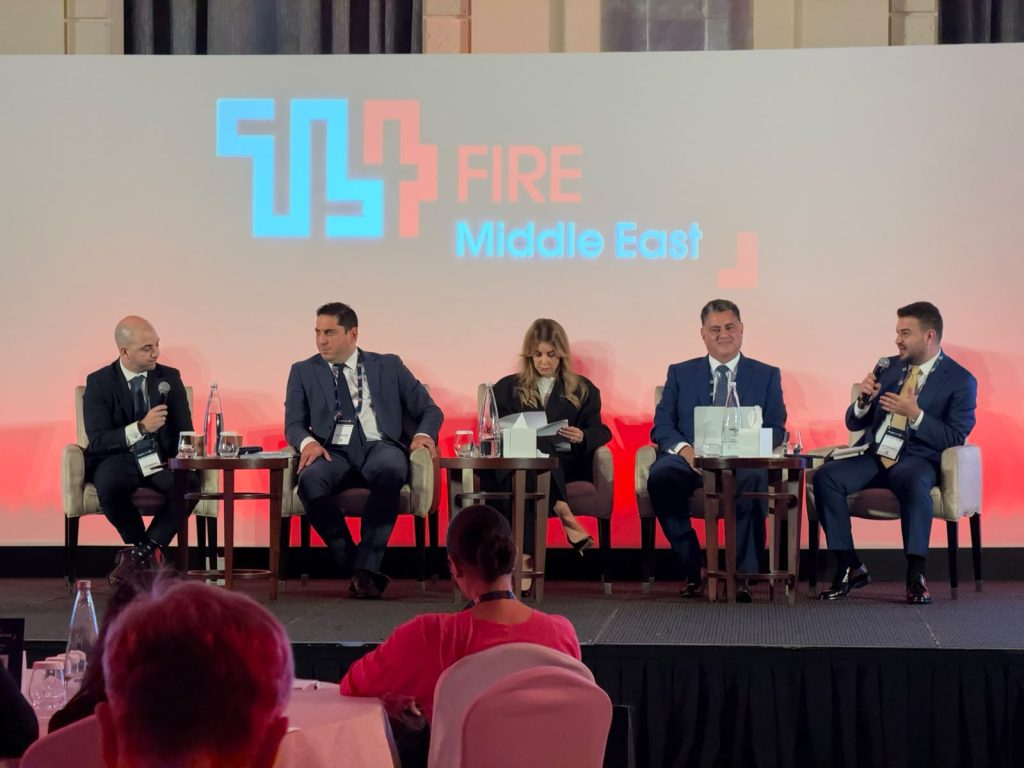
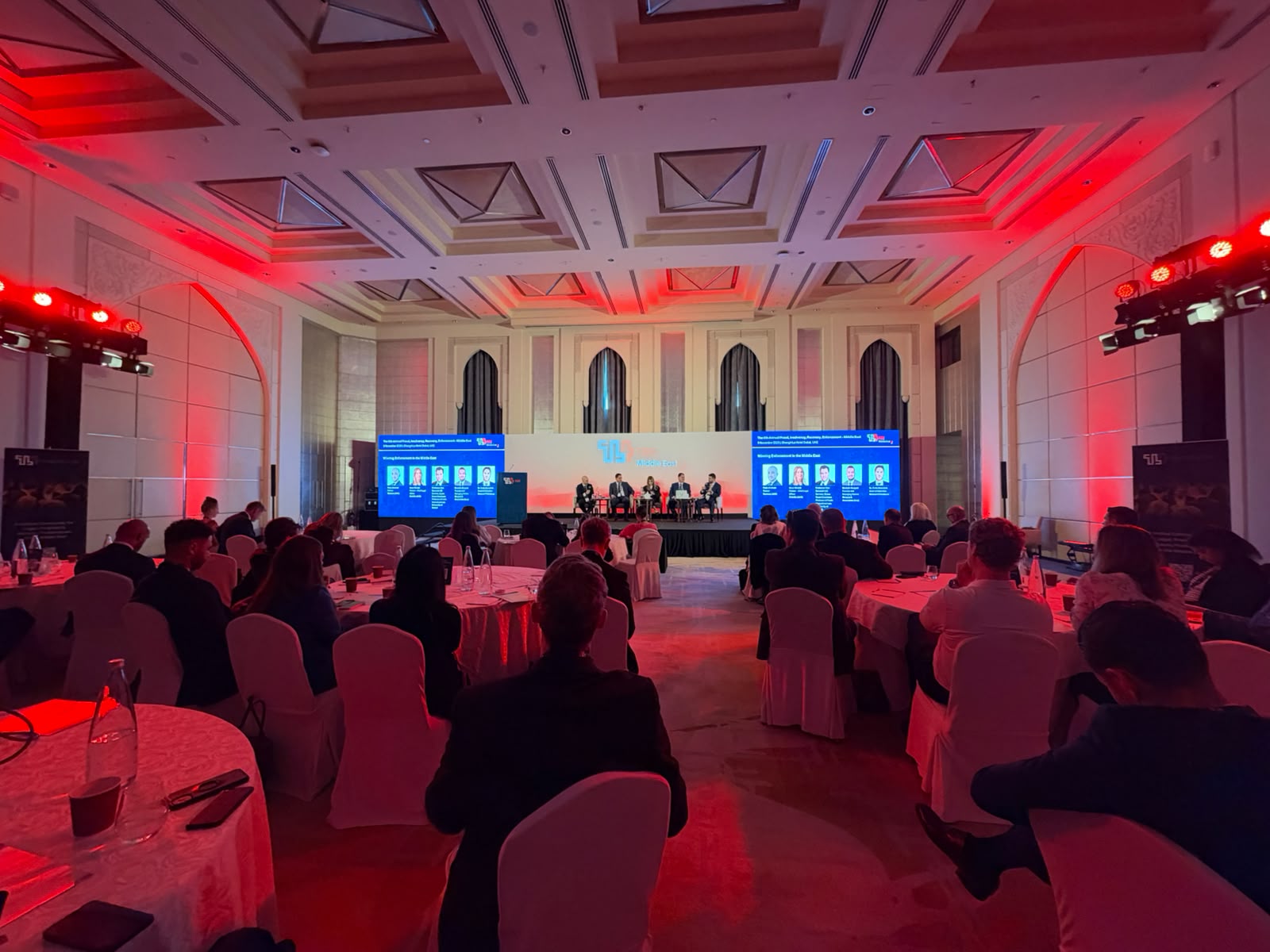
Muayad & Associates participated in the 6th Annual Fraud, Insolvency, Recovery and Enforcement (FIRE) Middle East Conference, organized by ThoughtLeaders4 on 9 November 2026 at the Shangri La Hotel in Dubai. The conference brought together lawyers, investigators, insolvency practitioners and asset recovery professionals to discuss the legal and practical challenges of recovering assets and enforcing judgments across the region.

Our Managing Partner, Mustafa Muayad, contributed to the panel “Winning Enforcement in the Middle East”, which examined the enforcement of judgments and arbitral awards across different courts and jurisdictions.

The panel was moderated by Faris Shehabi, Partner at Dentons, and brought together:

  • Nour Hineidi, Partner and Chief Legal Officer, Deloitte.
  • Professor Dan Sarooshi KC, Barrister, Essex Court Chambers, and Professor of Public International Law, University of Oxford.
  • Dr. Faris Nasrallah, Head of Arbitration, Crescent Petroleum.
  • Mustafa Muayad, Managing Partner, Muayad & Associates.

Mustafa’s contribution focused on the Iraqi perspective on the recognition and enforcement of foreign judgments and arbitral awards, placing Iraq’s legal framework within the wider context of enforcement across the GCC and the Middle East.

He discussed the distinction between enforcing a foreign court judgment and enforcing an arbitral award, together with the importance of identifying the applicable legal framework before proceedings begin. His remarks addressed the role of the New York Convention on the Recognition and Enforcement of Foreign Arbitral Awards of 1958 and the Riyadh Arab Agreement for Judicial Cooperation of 1983, including their relevance to recovery strategies involving Iraq.

A particular focus was the relationship between the jurisdiction in which an award is issued, any subsequent court proceedings and the country where enforcement is sought. Drawing on Iraqi practice, Mustafa discussed the relevance of Dubai court decisions recognizing arbitral awards to potential enforcement proceedings in Iraq under the Riyadh Agreement. This illustrated the importance of examining the legal status of the decision presented for enforcement, the applicable treaty conditions and the procedural requirements of the receiving jurisdiction.

He also considered how the choice of arbitral seat can affect the enforcement options available to a creditor. Using examples involving London and Dubai, he explored why parties should assess the likely location of assets and the available treaty framework when selecting their dispute resolution arrangements.

The central message of his contribution was that successful enforcement begins at the contract drafting stage. The choice of court or arbitration, the seat of arbitration and the location of the counterparty’s assets should form part of the same assessment. Addressing these matters early can help parties make informed decisions about how a future judgment or award may translate into actual recovery.

The firm was also represented by Dunya Mohammed and Mustafa Najeeb, who joined the conference discussions and met fellow practitioners from regional and international firms.

Our participation provided an opportunity to share practical experience from Iraq and exchange perspectives with lawyers working on enforcement and asset recovery matters across several jurisdictions. These discussions are particularly relevant to international businesses and counsel assessing litigation, arbitration and recovery options involving Iraqi parties or assets.

We extend our thanks to ThoughtLeaders4, to Faris Shehabi for guiding an engaging discussion, and to our fellow panellists for their valuable contributions. We also thank the colleagues and practitioners who met with our team throughout the event and look forward to continuing those conversations.

Muayad & Associates participated in the 6th Annual Fraud, Insolvency, Recovery and Enforcement (FIRE) Middle East Conference, organized by ThoughtLeaders4 on 9 November 2026 at the Shangri La Hotel in Dubai. The conference brought together lawyers, investigators, insolvency practitioners and asset recovery professionals to discuss the legal and practical challenges of recovering assets and enforcing judgments across the region. Our Managing Partner, Mustafa Muayad, contributed to the panel “Winning Enforcement in the Middle East”, which examined the enforcement of judgments and arbitral awards across different courts and jurisdictions. The panel was moderated by Faris Shehabi, Partner at Dentons, and brought together: Nour Hineidi, Partner and Chief Legal Officer, Deloitte. Professor Dan Sarooshi KC, Barrister, Essex Court Chambers, and Professor of Public International Law, University of Oxford. Dr. Faris Nasrallah, Head of Arbitration, Crescent Petroleum. Mustafa Muayad, Managing Partner, Muayad & Associates. Mustafa’s contribution focused on the Iraqi perspective on the recognition and enforcement of foreign judgments and arbitral awards, placing Iraq’s legal framework within the wider context of enforcement across the GCC and the Middle East. He discussed the distinction between enforcing a foreign court judgment and enforcing an arbitral award, together with the importance of identifying the applicable legal framework before proceedings begin. His remarks addressed the role of the New York Convention on the Recognition and Enforcement of Foreign Arbitral Awards of 1958 and the Riyadh Arab Agreement for Judicial Cooperation of 1983, including their relevance to recovery strategies involving Iraq. A particular focus was the relationship between the jurisdiction in which an award is issued, any subsequent court proceedings and the country where enforcement is sought. Drawing on Iraqi practice, Mustafa discussed the relevance of Dubai court decisions recognizing arbitral awards to potential enforcement proceedings in Iraq under the Riyadh Agreement. This illustrated the importance of examining the legal status of the decision presented for enforcement, the applicable treaty conditions and the procedural requirements of the receiving jurisdiction. He also considered how the choice of arbitral seat can affect the enforcement options available to a creditor. Using examples involving London and Dubai, he explored why parties should assess the likely location of assets and the available treaty framework when selecting their dispute resolution arrangements. The central message of his contribution was that successful enforcement begins at the contract drafting stage. The choice of court or arbitration, the seat of arbitration and the location of the counterparty’s assets should form part of the same assessment. Addressing these matters early can help parties make informed decisions about how a future judgment or award may translate into actual recovery. The firm was also represented by Dunya Mohammed and Mustafa Najeeb, who joined the conference discussions and met fellow practitioners from regional and international firms. Our participation provided an opportunity to share practical experience from Iraq and exchange perspectives with lawyers working on enforcement and asset recovery matters across several jurisdictions. These discussions are particularly relevant to international businesses and counsel assessing litigation, arbitration and recovery options involving Iraqi parties or assets. We extend our thanks to ThoughtLeaders4, to Faris Shehabi for guiding an engaging discussion, and to our fellow panellists for their valuable contributions. We also thank the colleagues and practitioners who met with our team throughout the event and look forward to continuing those conversations.